How Cosmetic Dentistry Supports Personal and Professional Confidence
@waylontilb685
November 3, 2026 · 14 min read
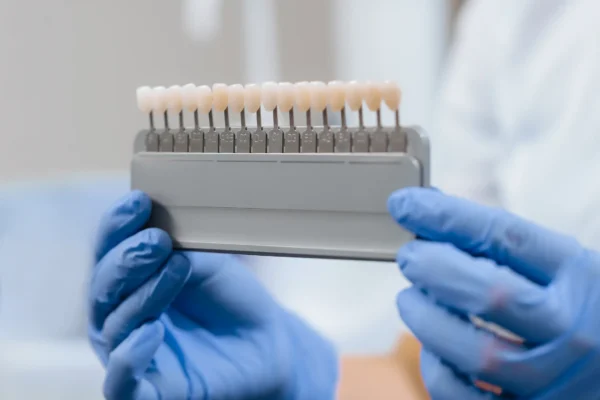
Confidence is rarely built on one thing alone, but appearance plays a larger role than many people are comfortable admitting. A person may be highly skilled, thoughtful, and capable, yet still hesitate to smile in a meeting, speak up during a presentation, or introduce themselves at a networking event because they feel self-conscious about their teeth. That hesitation can seem minor from the outside. In practice, it affects behavior in subtle, cumulative ways.
Cosmetic dentistry sits at an interesting intersection of health, self-image, and social communication. It is often discussed as if it were only about vanity, but that view is too narrow and, frankly, outdated. For many adults, improving the appearance of their teeth is not about chasing perfection. It is about removing a distraction. When people stop worrying about discoloration, chips, spacing, or worn edges, they often carry themselves differently. They smile more freely, speak more openly, and engage with less guarded body language.
That shift matters in personal life, and it also matters at work. The way someone feels about their smile can influence first impressions, job interviews, client-facing interactions, leadership presence, and even day-to-day comfort in conversation. Cosmetic Dentistry, when approached carefully and ethically, can support confidence in very practical ways.
The smile people think they are hiding is often visible anyway
Many people who feel embarrassed about their teeth develop coping habits long before they ever call a dentist. They cover their mouth when they laugh. They smile with closed lips in photographs. They angle their face during conversation. Some speak less than they otherwise would. Others avoid video calls unless absolutely necessary, or they keep cameras off whenever they can.
These habits become automatic. Over time, they shape how a person is perceived. Not because others are judging every detail of the smile, but because self-protection changes expression. Cosmetic Dentistry A warm smile reads as openness. A constrained smile can read as reserve, tension, or uncertainty, even when that is not the person’s true personality.
I have seen this pattern repeatedly in adults who delayed treatment for years. They often say some version of the same thing after care is complete: they did not realize how much energy they were spending managing their face. That is a revealing phrase. Managing their face means managing impression, emotion, and exposure. Once that burden lifts, confidence has room to show up naturally.
Personal confidence often starts with comfort, not vanity
There is a cultural tendency to frame cosmetic dental treatment as optional image management, but real patient motivation is usually more grounded. Someone may be bothered by a front tooth darkened after an old injury. Another may have enamel wear that makes their smile look older than they feel. A person who had braces decades ago may be frustrated that teeth have shifted again. These are not frivolous concerns. They affect daily comfort in social settings.
A useful distinction is the difference between perfection and harmony. Most patients are not asking for a celebrity smile. They want their teeth to look healthy, proportionate, and consistent with the rest of their face. Good cosmetic work respects that goal. It does not erase character or force identical shapes and shades. It refines what is already there.
This is one reason the best cosmetic outcomes are often the least obvious. Friends and colleagues may not say, “You had veneers” or “You whitened your teeth.” They are more likely to say, “You look rested,” “You seem more confident,” or “Something looks great.” When treatment is done well, the result reads as health and ease rather than artifice.
Why appearance affects professional presence
Professional confidence is not just inner belief. It is also how comfortably someone occupies a room. People who feel at ease with their appearance tend to communicate more directly. They make better eye contact. They smile when appropriate without second-guessing it. They project steadiness.
That matters in careers that rely heavily on trust and visibility. Sales professionals, attorneys, consultants, educators, executives, real estate agents, healthcare providers, and hospitality staff all benefit from confident face-to-face interaction. Even in less public roles, collaboration increasingly happens over video. A camera brings the face close. Small details that once felt easy to ignore can suddenly become difficult for a self-conscious person to stop noticing.
None of this means success depends on white, perfectly aligned teeth. That would be an unfair and simplistic claim. Plenty of effective professionals have imperfect smiles. The point is narrower and more useful: if someone feels distracted or diminished by the appearance of their teeth, that internal friction can limit how fully they show up. Reducing that friction can improve performance, not because the teeth create competence, but because confidence allows competence to be seen.
A hiring manager may not consciously rank candidates by smile aesthetics, but first impressions are built quickly from facial expression, vocal ease, and presence. A candidate who smiles comfortably and speaks without visible self-consciousness often appears more prepared and more assured. The same dynamic plays out in client meetings, leadership roles, and public speaking.
The treatments that most often make a meaningful difference
Cosmetic dentistry covers a broad range of treatments, from conservative polishing to more involved restorative work. The impact on confidence depends less on the label and more on how well the treatment matches the problem.
Here are common options that often provide noticeable psychological and social benefits:
- Professional whitening, which can lift staining from coffee, tea, wine, tobacco, and normal age-related discoloration.
- Bonding, which uses tooth-colored material to repair chips, close small gaps, and refine uneven edges in a single visit.
- Veneers, which can reshape and brighten front teeth when multiple aesthetic issues need correction at once.
- Clear aligners or orthodontics, which address crowding, spacing, and bite-related alignment concerns over time.
- Crowns or implant restorations, when a missing or heavily damaged tooth affects both appearance and function.
The best choice depends on budget, tooth condition, timeline, and how much change is actually needed. For example, a patient who thinks they need veneers may be an excellent candidate for whitening and bonding alone. Another may request whitening when the real issue is one tooth that has darkened internally and will not respond the same way as the others. Judgment matters here. Cosmetic treatment should be individualized, not sold as a package.
Small changes can produce an outsized effect
One of the most common misconceptions about cosmetic dentistry is that meaningful results require major intervention. Sometimes they do. Often, they do not.
A tiny chip on a central incisor can pull the eye every time someone smiles. A rough old filling on a lateral tooth can create an asymmetry that photographs poorly. Slight rotation on one front tooth may bother the patient far more than a dentist initially expects. Correcting these details can be remarkably powerful because the brain fixates on inconsistencies. Once the distracting feature is corrected, the whole smile feels more balanced.
This is where conservative dentistry shines. Bonding, enamel contouring, whitening, and selective replacement of discolored restorations can improve a smile without aggressive removal of healthy tooth structure. For patients who are nervous about overtreatment, that approach is often reassuring. It also tends to preserve flexibility for future care.
I remember one case that illustrates this well. A patient in a client-facing management role came in convinced she needed a complete smile makeover. What actually bothered her most was a single dark filling on a front tooth and generalized yellowing from years of coffee. After whitening and carefully replacing the visible restoration, the change was dramatic. She did not look like a different person. She looked like herself, just less guarded. At a follow-up visit she said the most valuable part was not the mirror result, it was that she had stopped thinking about her teeth in every meeting.
There is a difference between confidence and perfectionism
Cosmetic dentistry can support healthy self-esteem, but it can also become tangled with unrealistic expectations. A responsible dentist has to recognize that line.
Some patients arrive with clear, achievable goals. Others bring heavily edited reference photos, social media comparisons, or an idea that brighter always means better. The risk is creating a smile that looks disconnected from the face, age, skin tone, or personality of the patient. Overly opaque veneers, exaggerated tooth length, or very light shades can draw attention for the wrong reasons. The result may technically be “perfect” by a narrow standard and still feel unnatural.
Confidence usually grows when the smile feels believable. Natural variation matters. Teeth are not piano keys. They have texture, translucency, and tiny differences in shape. Skilled cosmetic work preserves or recreates those details. It aims for refinement, not sterility.
Patients also need honest conversations about maintenance. Whitening fades. Bonding can stain or chip. Aligners require compliance. Veneers are durable, but they are not indestructible, and they involve a long-term commitment. Confidence lasts longer when expectations are realistic from the start.
Social ease changes when self-consciousness drops
The personal effects of cosmetic dental treatment often show up in ordinary moments rather than dramatic milestones. A person smiles in family photos without being asked. They laugh freely at dinner. They stop rehearsing how to hold their lips during conversation. They volunteer to speak at an event instead of avoiding the spotlight.
These are not cosmetic side notes. They are quality-of-life issues.
People who feel embarrassed about their teeth sometimes withdraw in ways others misread. They may seem aloof, shy, or less enthusiastic than they are. Once the source of embarrassment is addressed, their personality often comes through more clearly. Family members notice it. Colleagues notice it. The person notices it most of all.
That said, confidence is not guaranteed by treatment alone. If someone has deep-rooted anxiety or body image concerns, changing their teeth will not solve every emotional difficulty. Cosmetic dentistry can remove a barrier, but it is not a replacement for broader self-worth. The healthiest outcomes happen when dental improvements support confidence that already has other foundations.
Professional advantages are usually indirect, but still real
It is worth being precise here. Cosmetic dentistry does not make someone more intelligent, more strategic, or more qualified. It does not replace experience or interpersonal skill. Its value in professional life is usually indirect, yet meaningful.
Those indirect benefits often include the following:
- Greater willingness to speak in meetings, presentations, and interviews.
- More relaxed facial expression during client or patient interactions.
- Better performance on camera during remote work, media appearances, or recorded training.
- Increased consistency between personal capability and outward presence.
- Less mental distraction, which frees attention for the work itself.
This is why the return on investment can be substantial for some patients. If a person’s self-consciousness has been suppressing visibility or communication, even modest cosmetic improvement may support better professional outcomes over time. Not because the treatment “wins” opportunities by itself, but because the person can participate more fully in the opportunities already in front of them.
Age, wear, and the signal of vitality
Teeth carry visual cues about age and health. Over the years, enamel thins, edges flatten, and stains accumulate. Restorations placed long ago may darken or stand out. None of this is a moral failure or a sign that someone neglected themselves. It is normal wear. Still, these changes can make the lower face look tired even when a person feels energetic and capable.
This is one reason midlife patients often seek cosmetic care. They are not trying to look twenty-five. They want their smile to match how they feel. A conservative refresh, perhaps whitening, edge bonding, replacement of old visible dental work, or alignment correction, can restore brightness and proportion without making the face look altered.
In professional settings, this can subtly influence how vitality is perceived. People respond to signs of health and engagement. A bright, natural-looking smile often communicates both. Again, the goal is not artificial youth. It is coherence between appearance and identity.
When cosmetic goals overlap with function
The term “cosmetic” can obscure the fact that appearance and function are frequently linked. Worn teeth may need rebuilding not only because they look short or uneven, but because bite mechanics have changed. Misalignment can create cleaning challenges that affect gum health. A cracked front tooth can be both unattractive and vulnerable. A missing tooth is almost always a functional issue as well as a social one.
In these cases, treatment often improves confidence because it restores stability along with appearance. Patients tend to feel more secure when they can bite comfortably, speak clearly, and trust their teeth in public. That sense of reliability matters. It is hard to project confidence if you are worried a restoration will fail during a meal or while speaking.
A strong cosmetic plan, therefore, should begin with diagnosis, not shade selection. Gum health, bite forces, existing restorations, habits like grinding, and the condition of the enamel all matter. The prettiest plan on paper can fail quickly if the foundation is ignored.
Choosing the right dentist matters as much as choosing the treatment
Cosmetic dentistry is highly technique-sensitive. Two dentists may recommend the same category of treatment and produce very different results. Skill, restraint, communication, and aesthetic judgment all matter.
Patients should look for a clinician who listens carefully and explains trade-offs clearly. The right dentist will ask what bothers you, what outcome you are hoping for, and how much treatment you are comfortable with. They will also tell you when your expectations need adjustment. That honesty is a good sign.
A thorough consultation usually includes photographs, a close look at facial proportions, and a discussion of materials, longevity, and maintenance. In more involved cases, mock-ups or digital previews can help. These tools are useful, but they should support decision-making, not pressure it.
Watch for language that sounds sales-driven rather than diagnostic. Cosmetic work should never feel like buying a package off a menu. It should feel like planning custom care around your actual teeth, your budget, and your life.
Cost, maintenance, and the practical side of confidence
It is reasonable to talk about confidence and still address money. Cosmetic dental care can be a significant expense, and not all treatments are covered by insurance. The right choice is not always the most comprehensive one. Sometimes it is the one that delivers the most improvement for the least intervention and the best long-term value.
Whitening is relatively accessible, though it may need touch-ups. Bonding is conservative and cost-effective, but it requires maintenance and may not be ideal in patients with heavy bite forces or staining habits. Veneers can solve multiple aesthetic problems efficiently, yet they cost more and require careful planning. Orthodontic treatment takes time, but it preserves natural tooth structure and can improve function as well as appearance.
There is also the issue of lifestyle. Someone who drinks several coffees a day, grinds at night, or travels constantly for work needs a plan that fits real habits. Confidence is easier to maintain when treatment choices are practical. Beautiful dentistry that is fragile, high-maintenance, or financially stressful can undermine the very ease it was meant to create.
A smile that feels like your own tends to perform best in life
The strongest cosmetic outcomes are not the most dramatic. They are the ones that allow a person to stop performing self-consciousness. That may mean a brighter smile, straighter teeth, repaired edges, or a single well-matched restoration. It may also mean deciding not to change something that gives the smile character. Good cosmetic dentistry is not about chasing a trend. It is about helping someone look more like the version of themselves they already recognize.
Personal confidence grows when people feel comfortable being seen. Professional confidence grows when they can communicate without distraction. Cosmetic dentistry can support both, provided the treatment is thoughtful, proportionate, and grounded in real needs rather than idealized images.
A smile will never replace skill, integrity, or experience. It does not have to. Its role is simpler and, for many people, more valuable. It removes one source of hesitation. Once that hesitation is gone, confidence often stops feeling like something to manufacture and starts feeling like something natural to express.
Toothworks of Bakersfield, Dentist and Orthodontist
1030 H St #1, Bakersfield, CA 93304, United States
+1 661-323-9421
FAQ About Cosmetic Dentistry
Is bonding better than veneers?
Neither option is best for everyone. Composite bonding can address small chips, gaps, or shape concerns and is generally easier to repair. Porcelain veneers may offer greater resistance to staining and wear, but often require removal of some enamel. A dentist should assess your oral health, bite, goals, and budget before recommending treatment.
How long will dental bonding last?
Bonding commonly lasts about three to ten years before it needs repair or replacement, though this varies with the location and amount of bonding, your bite, and daily habits. Regular dental visits, good oral hygiene, and avoiding chewing hard objects can help protect it. Ask your dentist what lifespan is realistic for your particular treatment.
What are the risks of teeth whitening?
Whitening can cause temporary tooth sensitivity and gum irritation. Overuse or incorrect use may damage teeth or gums, and whitening does not change the color of existing crowns, veneers, or fillings. Have a dentist assess your teeth and gums, and follow the recommended product directions and treatment schedule.